
Table of Contents
|
Key Takeaways
|
One of the biggest problems in the wellness industry today is the confusion between hemp and CBD. Many consumers assume they are the same thing, only to spend money on products that don’t contain the CBD they were actually looking for. Labels like “hemp oil,” “hemp extract,” and “CBD oil” often appear side by side, making it difficult to tell the difference.
This confusion becomes even more frustrating when buyers are trying to find products for relaxation, recovery, sleep, or general wellness support. Some products contain real CBD extracted from hemp flowers, while others are simply made from hemp seeds and contain little to no cannabidiol at all. Add in questions about THC, legality, and product quality, and it’s easy to see why so many people feel overwhelmed before making a purchase.
That’s exactly why understanding the difference between hemp and CBD matters. In this guide, we’ll explain what hemp actually is, how CBD is derived, why hemp is different from CBD, and what you should always check on a product label before buying.
What Exactly Is Hemp?
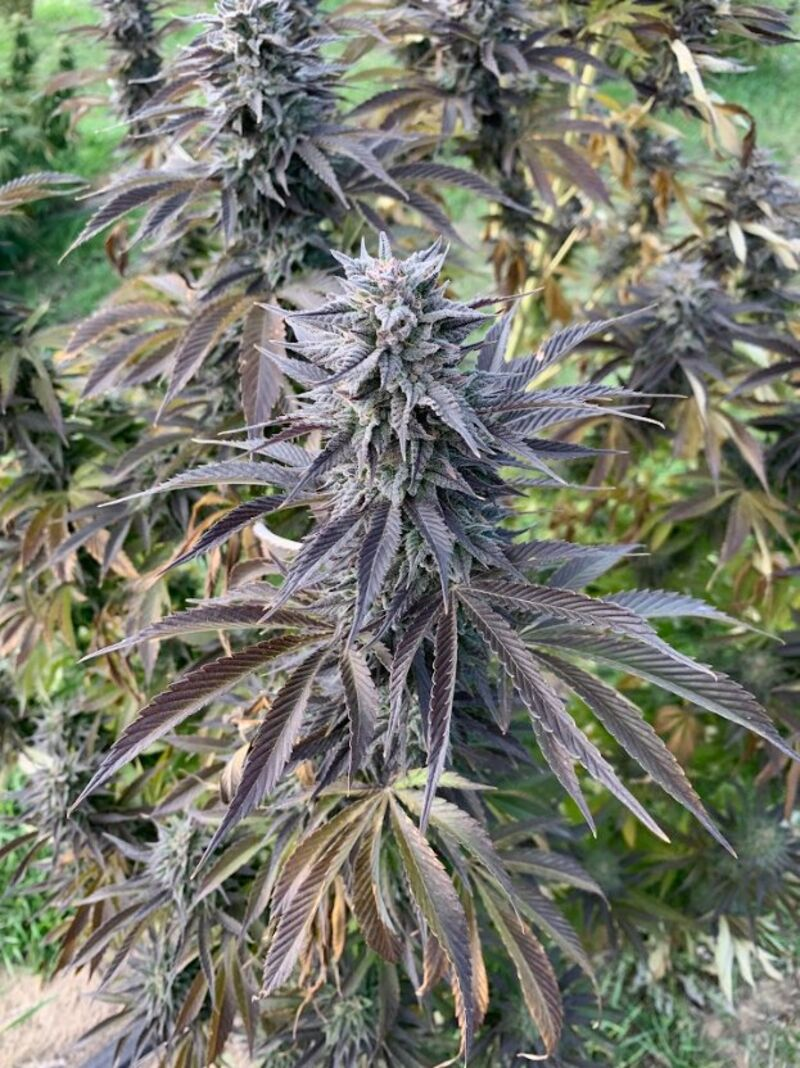
Hemp is a versatile and sustainable variety of the Cannabis sativa plant. By legal definition, it contains 0.3% or less THC (tetrahydrocannabinol), the psychoactive compound responsible for producing a “high.” Because of its low THC content, hemp is widely cultivated for industrial, wellness, and commercial uses rather than recreational purposes.
Key Characteristics
1. Low THC Content
- Although hemp and marijuana come from the same plant species, the main difference lies in their chemical composition:
- Hemp: Contains 0.3% or less THC and is typically rich in CBD.
- Marijuana: Contains more than 0.3% THC, which causes psychoactive effects.
2. Sustainable Crop
Hemp grows quickly, requires relatively little water, and is naturally resistant to many pests, making it an environmentally friendly crop.
3.Wide Range of Uses
Hemp is used in products such as textiles, paper, ropes, biodegradable plastics, skincare products, CBD oils, and food items like hemp seeds and protein powder.
| Did You Know? In the United States, hemp became federally regulated under the 2018 Farm Bill. Under federal law, hemp is defined as Cannabis sativa containing no more than 0.3% delta-9 THC on a dry weight basis. Plants exceeding that limit are classified differently under federal law. |
What Is CBD, and Where Does It Come From?
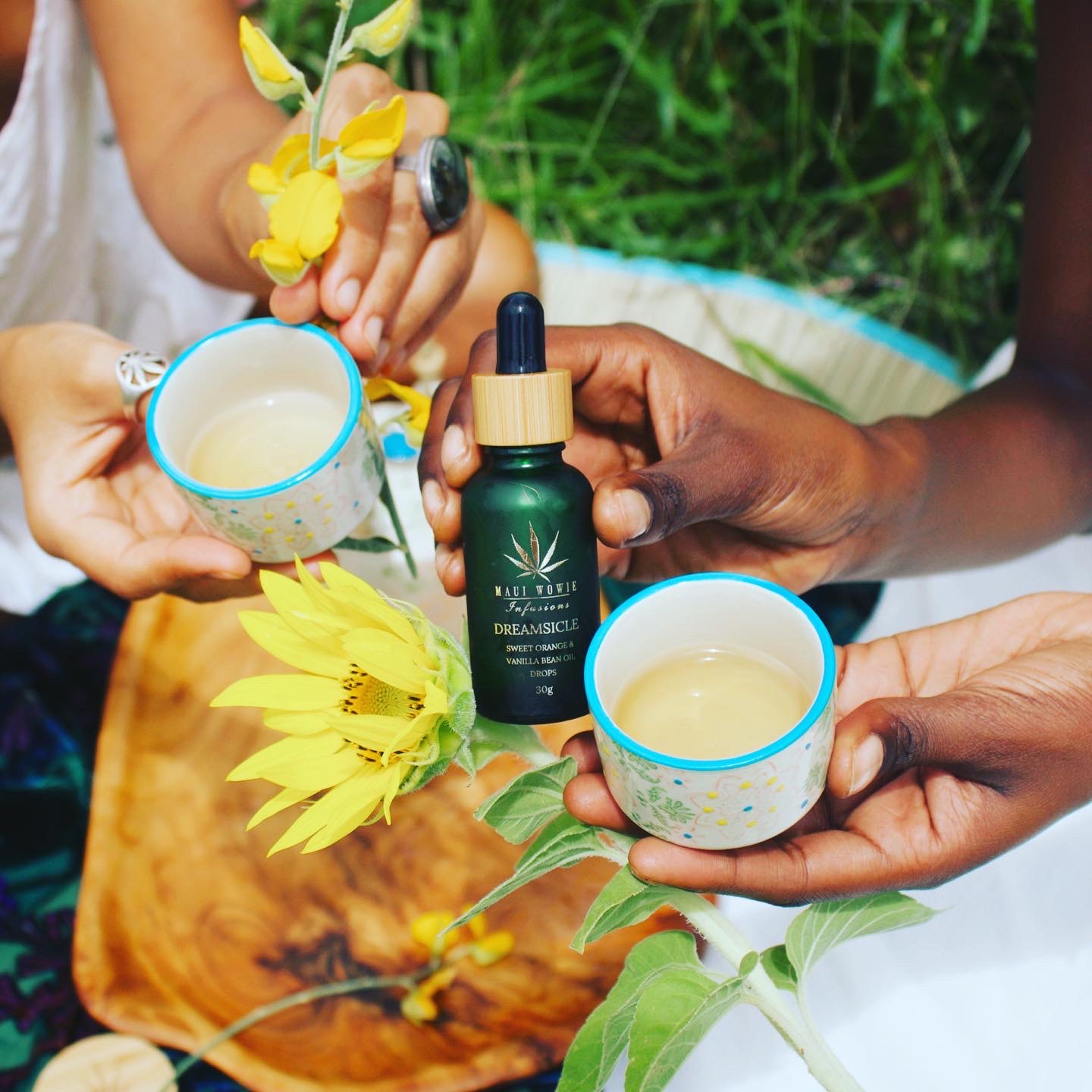
Cannabidiol (CBD) is a naturally occurring, non-psychoactive compound primarily derived from the hemp plant, a variety of Cannabis sativa that contains 0.3% or less THC. Unlike THC, CBD does not produce a “high,” making it popular for wellness and therapeutic applications such as stress relief, pain management, and improved sleep.
Where CBD Comes From
- Hemp Plants: Most commercially available CBD is extracted from industrial hemp due to its low THC content and broader legal acceptance.
- Marijuana Plants: CBD can also be extracted from marijuana plants, which contain higher levels of THC. However, these products are often subject to stricter legal regulations.
- Extraction Process: CBD is extracted from the resin-rich trichomes found on the flowers and leaves of female cannabis plants.
Key Facts About CBD
- Non-Intoxicating: CBD does not cause psychoactive effects or intoxication like THC.
- How It Works: CBD interacts with the body’s endocannabinoid system, which helps regulate functions such as mood, pain, inflammation, and stress response.
- Common Product Forms: CBD is available in a variety of products, including oils, tinctures, gummies, capsules, creams, and topical solutions.
- Legal Status in the U.S.: The 2018 Farm Bill legalized hemp-derived CBD at the federal level, although the FDA still regulates its use in foods, beverages, and dietary supplements.
- Medical Applications: The FDA-approved drug Epidiolex uses CBD to treat certain rare forms of epilepsy. Ongoing research continues to explore CBD’s potential benefits for anxiety, insomnia, chronic pain, and inflammation.
| According to the National Center for Complementary and Integrative Health (NCCIH), the Cannabis sativa plant contains hundreds of chemical compounds called cannabinoids, including THC and cannabidiol (CBD). CBD is one of the most researched cannabinoids because of its potential wellness and therapeutic applications. |
So, Is Hemp the Same As CBD?
No, hemp and CBD are not the same thing. The easiest way to understand the difference is by looking at their roles and uses:
Hemp: Hemp is the actual plant. It is widely cultivated for industrial and commercial purposes, including textiles, rope, paper, biodegradable materials, food products, and hemp seeds.
CBD: CBD is one of the many active compounds, known as cannabinoids, found within the hemp plant. Unlike THC, CBD does not produce intoxicating or psychoactive effects and is commonly used in wellness products such as oils, gummies, creams, and capsules.
What Makes Hemp Different From CBD?
In simple terms, hemp is the source, and CBD is one of the beneficial compounds derived from it. To better understand how they compare, let’s look at the key differences between hemp and CBD side by side.
| Feature | Hemp | CBD |
| What It Is | A variety of the Cannabis sativa plant | A naturally occurring compound (cannabinoid) found in hemp |
| Main Purpose | Used for industrial, nutritional, and commercial products | Used mainly for wellness and therapeutic support |
| Source | Entire plant | Extracted primarily from hemp flowers and leaves |
| CBD Content | May naturally contain CBD | Is the CBD compound itself |
| THC Content | Contains less than 0.3% THC | CBD products must also contain less than 0.3% THC if hemp-derived |
| Common Uses | Textiles, paper, rope, food products, skincare | Oils, gummies, capsules, creams, wellness products |
| Psychoactive Effects | No intoxicating effects | Non-psychoactive and does not produce a “high” |
| Nutritional Value | Hemp seeds are rich in protein and omega fatty acids | Primarily valued for potential wellness benefits |
| Legal Status (U.S.) | Federally legal under the 2018 Farm Bill | Legal if derived from hemp and compliant with THC limits |
| Examples | Hemp fabric, hemp seed oil, hemp protein | CBD tinctures, CBD gummies, CBD topicals |
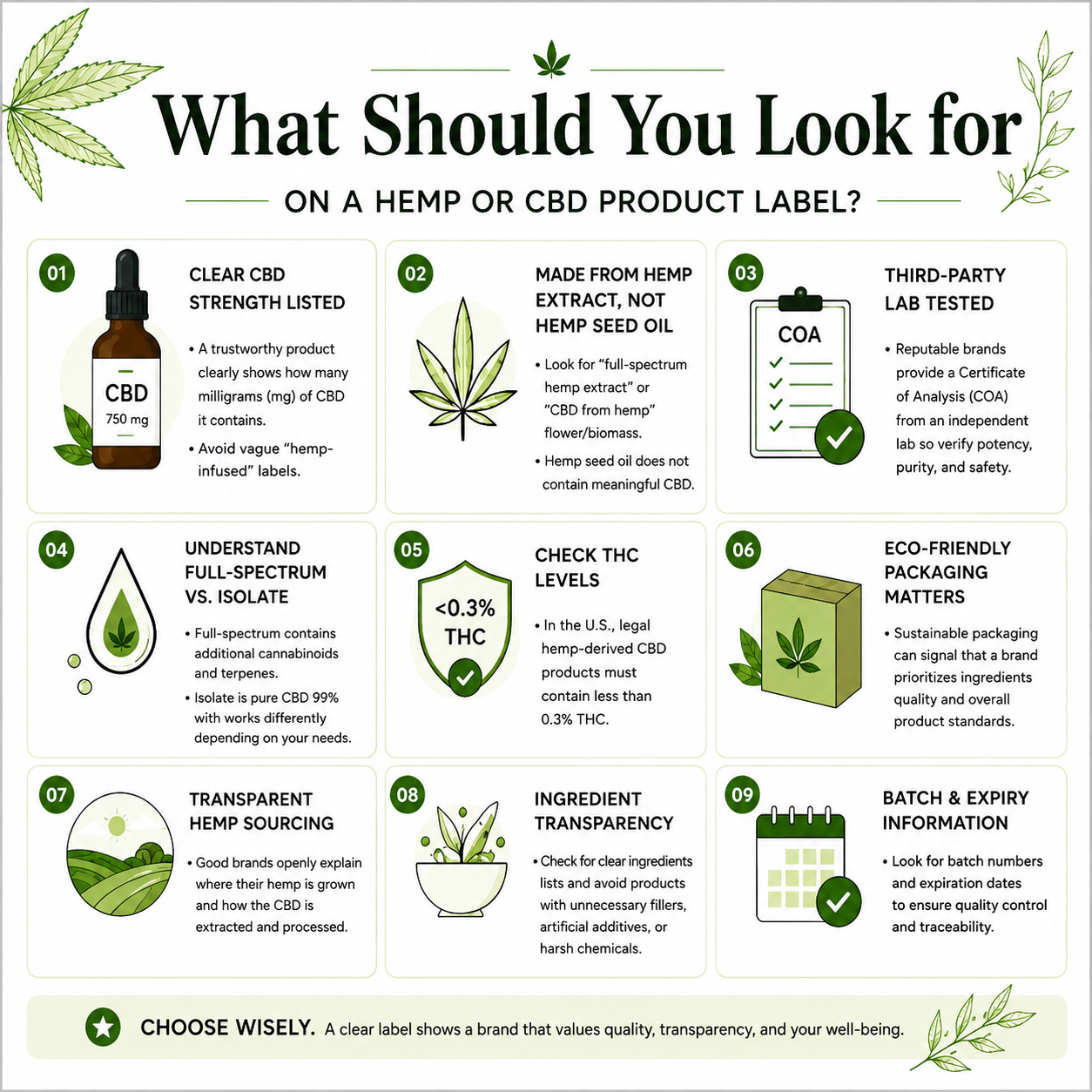
What Should You Look for on a Hemp Or CBD Product Label?
Now that you understand the difference between hemp and CBD, here is how to apply that knowledge when you are shopping:
1. Clear CBD Strength Listed
A trustworthy CBD product clearly shows how many milligrams (mg) of CBD it contains. If the label only says “hemp-infused” without an exact amount, treat that as a potential red flag.
2. Made From Hemp Extract, Not Just Hemp Seed Oil
Look for terms like full-spectrum hemp extract or CBD from hemp flowers and leaves. Hemp seed oil offers nutritional benefits but contains little to no CBD.
3. Third-Party Lab Testing (Coa)
Reliable brands provide a Certificate of Analysis (COA) from an independent lab to verify CBD potency, purity, THC levels, and overall product safety.
4. Full-Spectrum, Broad-Spectrum, Or Isolate
Understand what type of extract you are buying. Full-spectrum contains multiple cannabinoids, broad-spectrum removes THC, and isolate contains pure CBD only.
5. THC Levels Clearly Mentioned
In the U.S., legal hemp-derived CBD products must contain less than 0.3% THC. Reputable brands clearly disclose THC content on the label.
6. Transparent Hemp Sourcing
Good brands openly explain where their hemp is grown, whether it is organically cultivated, and how it is processed after harvesting.
7. Safe Extraction Methods
Look for brands that mention extraction methods, especially CO₂ extraction, which is considered one of the cleanest and safest processes.
8. Eco-Friendly Packaging Matters
Sustainable packaging can signal that a company values overall quality, responsible sourcing, and cleaner product standards.
9. Ingredient Transparency
Check for clear ingredient lists and avoid products with unnecessary fillers, artificial additives, or vague ingredient descriptions.
10. Batch Numbers And Expiration Dates
Trusted products often include batch numbers and expiration dates for quality control and easier traceability.
Discover Our Premium Hawaiian Hemp & CBD Collection
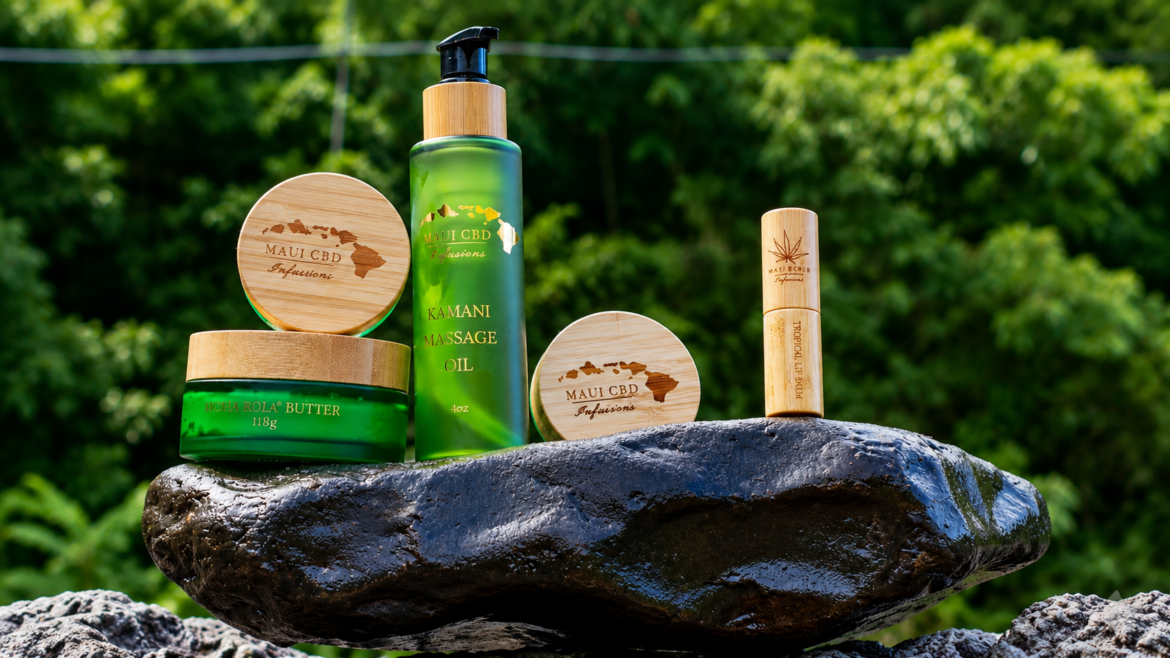
At Maui CBD Infusions, we craft luxury skincare and wellness products using premium, organic hemp-derived CBD grown and harvested by our family.
Our full-spectrum hemp CBD is organically grown in Washington State and infused with Hawaiian botanicals. From our deeply nourishing Aloha Body Butter (500mg Hemp CBD) and rejuvenating Maile Face Cream (250mg Hemp CBD) to our therapeutic Island Noni Salve (500mg Hemp CBD) and relaxing Valley Isle Bath Soaks (200mg Hemp CBD), each product harnesses the natural healing power of both hemp and CBD.
Whether you’re seeking relief, relaxation, or radiant skin, our complete collection offers pure, plant-based solutions crafted with aloha.
Wrapping Up
Understanding the difference between hemp and CBD is essential for making smarter wellness decisions. Hemp is the plant itself, while CBD is the specific compound extracted from its flowers and leaves. Many products on the market can look similar, but they are not the same—especially when comparing hemp seed and true CBD. Knowing how to read labels, check CBD content, and verify third-party lab testing can help you avoid confusion and choose products that actually match your needs.
At Maui CBD Infusions, we focus on transparent, high-quality CBD products made from carefully sourced hemp with clear labeling and trusted standards. Every product is designed to support a clean, consistent, and reliable wellness experience.
Explore our full range at Maui CBD Infusions and choose the right CBD product for your wellness journey today.
Frequently Asked Questions
1. Is Hemp Considered A Drug?
No. Hemp containing less than 0.3% THC is federally classified as an agricultural commodity under the 2018 Farm Bill, not a controlled substance, though some state laws may still vary.
2. What’s The Difference Between Hemp Oil And Hemp Seed Oil?
“Hemp oil” can be ambiguous. Hemp seed oil is pressed from seeds and contains no CBD. Hemp extract oil, or CBD oil, comes from the flowers and leaves and contains significant amounts of CBD. Always check the label for clarification.
3. How Do I Verify If My Cbd Product Is Real?
Look for a Certificate of Analysis (COA) from a third-party lab. Legitimate brands provide QR codes or batch numbers that link to lab results showing cannabinoid content, THC levels, and contaminant testing.
4. Does Hemp Have Indica Or Sativa?
Hemp is derived from Cannabis sativa. It is not possible to get hemp from Cannabis indica. Industrial hemp is specifically bred from sativa strains with low THC and high CBD.
